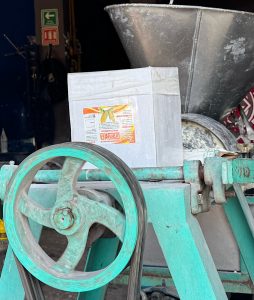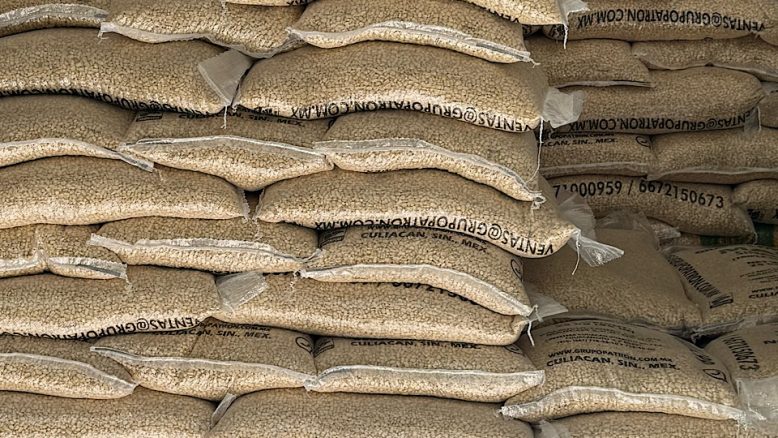
Sacks of corn (80,000 kernels in each) are stacked in a rodent resistant bunker. The corn is dumped into a tank or vat for the nixtamalization process (treating corn with slaked lime water). The hydration with warm water, kneading, resting and cooking at high heat. All this sounds more like the art of the tortilla, the base for the taco shell. If you have friends that make sourdough bread or puff pastry or any other complex chemical reaction baked products — you know timing, temperature, and patience are essential. This is not an instant food. And the toppings are even more particular and woven with family traditions.
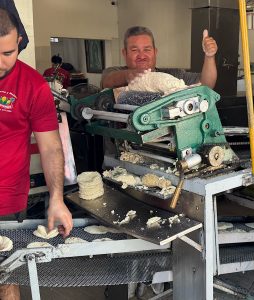
As with most food products, machines evolved to mechanize the process. The masa harina is kneaded into a dough that is sticky to the fingers but not the machinery (Magic by tradition). Down the street from where we spent some time a crew of six people started each day at around 3:00 AM. The machinery rolling finished tostadas ready for shipping at 8 or 9 am to the taco stands all around town. The intensity and the precision cut into the quiet of everyday. Tacos like croissants must be delivered fresh and on time. By noon the scrub down was underway and the one-room plant closed for the day.
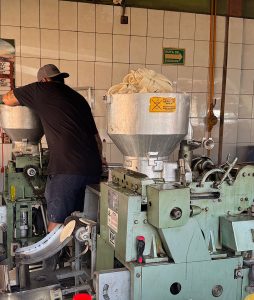
Down the road closer to town a larger plant was producing more tostados with bigger machines and fewer people. The noise level was louder and the safety of the workers at risk. The unshrouded drive belts coupled with three belts to the 5 HP motor was exposed to hands, fingers, aprons and arms! The ingenuity of mechanization and the focus on tradition becomes essential to supporting the growing tourist demand. Produced by hand in daily batches as they are at the Santa Fe Hotel in Puerto Escondido might be safer — but is also an acknowledgement of the traditional art.